One of the world's longest roads leads to this breathtaking B.C. village
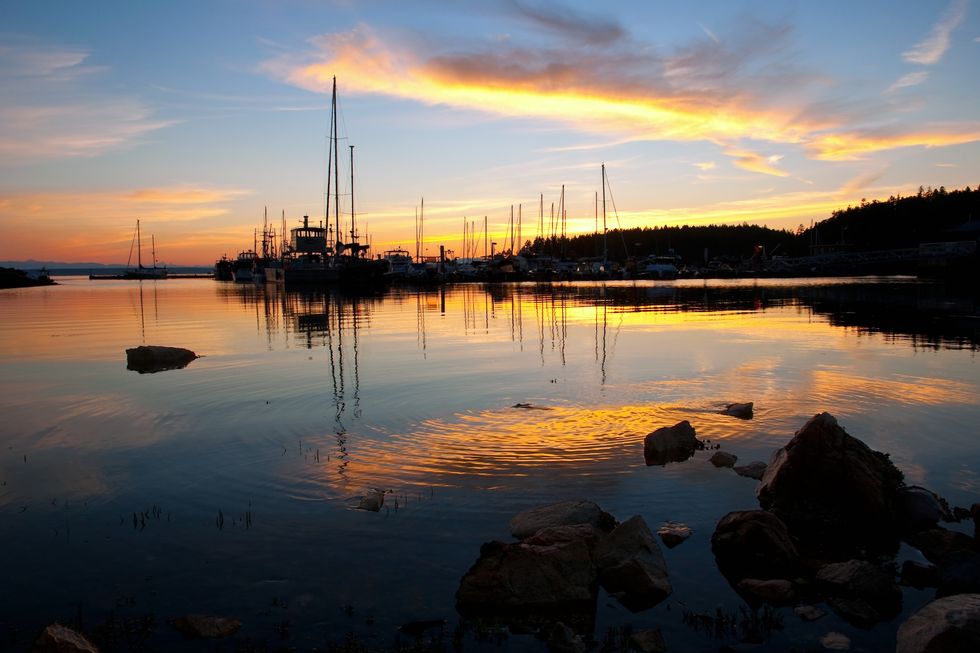
The Pan-American Highway (named Highway 101 in parts of Canada and the U.S.) is considered the longest highway and “drivable road” in the world, stretching over 24,140 kilometres from northern Alaska to the southern tip of Argentina, according to the Guinness World Records. Highway 101 is a section stretching from B.C.’s Sunshine Coast to the south coast of Chile, and if you drive to “Mile 0,” you’ll reach the breathtaking village of Lund.
“End of the Road”
According to Sunshine Coast Tourism, the small coastal community is known as the “End of the Road,” located on the traditional territory of the Tla’amin, Klahoose, and Homalco First Nations. With just over 1,000 residents in the wider Lund area, the village is a true hidden gem.
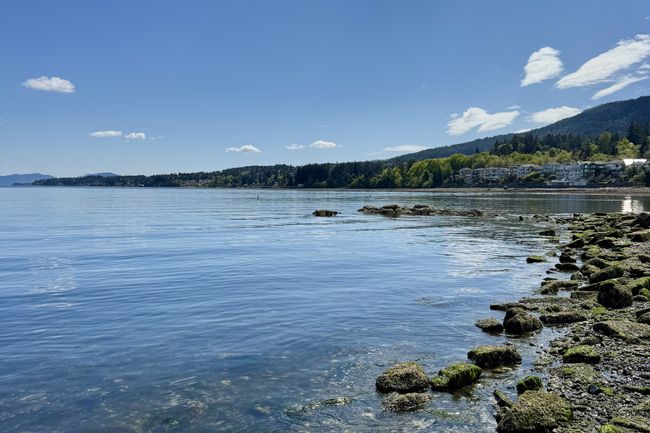
Known for its calm waters, plentiful boating opportunities, and breathtaking views, Lund is any road-tripper’s dream destination. Visitors can best experience Lund by kayak, with tours taking them to unreal spots in Desolation Sound.
The warmest waters north of Mexico
Lund is the gateway to three marine parks, the popular Okeover Inlet, the famed Sunshine Coast Trail, and what’s known as the most beautiful island in the Salish Sea (Savary Island).
Home to some of the warmest waters north of Mexico, Savary Island has an abundance of gleaming white-sand beaches to explore, all surrounded by ancient cliffs and sand dunes. While island-hopping feels more like a summer activity, there are many public beaches and forested trails to explore in the area year-round, including South Beach, Duck Bay, Mermaid Beach, and the Malaspina Promenade.
Year-round, vehicle-accessible camping is available at the nearby Okeover Arm Park.
There’s more than just rainbows waiting at the end of Highway 101!
Lund, B.C.
How to get there: Take the ferry from Horseshoe Bay in West Vancouver to Langdale and drive three hours and 17 minutes via the Sunshine Coast Highway/BC-101 N and BC-10 to Lund.
Recent Posts:
Over 20 of the biggest concerts coming to Vancouver in 2026 (so far)
Canada’s fourth-highest waterfall is in B.C. and it freezes over into an ice cone every winter