
The first full Supermoon of the year will shine over Canada this August
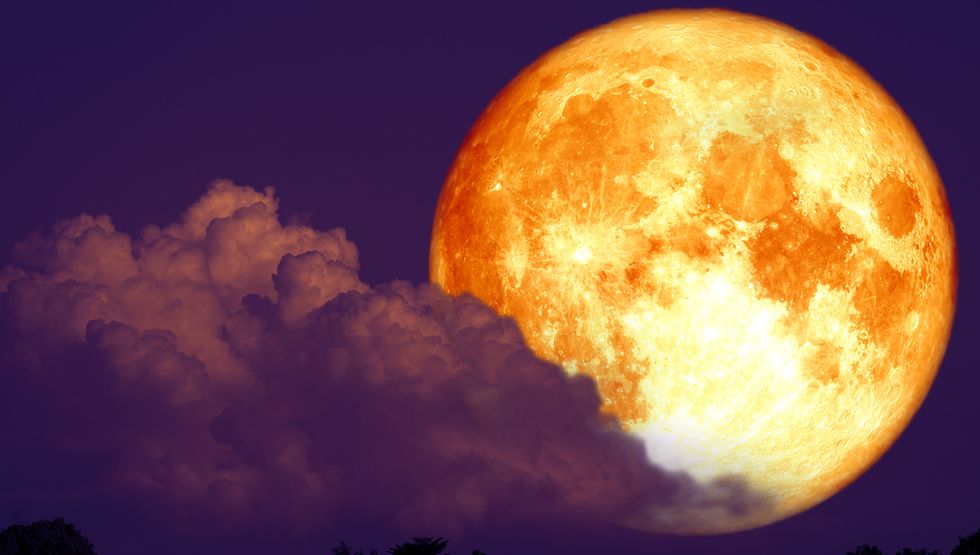
Whether you’re an aspiring astronomer or nature photographer, or simply love the idea of a moonlit picnic, there are a handful of magical full Supermoons to look forward to this summer and fall – and one is coming up this August!
According to the Old Farmer’s Almanac and Space.com, the first full Supermoon of 2024 will peak on Monday, August 19th, known as the “Sturgeon Moon,” among many other names according to various First Nations’ traditions.
This includes “Flying Up Moon” (Cree), Corn Moon (Algonquin, Ojibwe), Harvest Moon (Dakota), and Ricing Moon (Anishinaabe), according to the Almanac.
This is not to be confused with new Supermoons (not typically visible from Earth), five of which occurred between January and May, including the total solar eclipse on April 8th.
New moon vs full moon
According to EarthSky, a new moon occurs when the moon is in between the sun and Earth, whereas a full moon happens when the moon heads to the opposite side of Earth from the sun.
When a full or a new moon is within 90% of its closest point to Earth, it’s considered a Supermoon.
This year, there are four consecutive full Supermoons to look forward to, with the closest occurring on October 17th.
August Supermoon
August’s full Supermoon will reach peak illumination at 2:26 pm EST on August 19th.
That evening, make sure to look southeast after your local sunset time to catch a glimpse of the Sturgeon Moon rising, weather permitting.
Recent Posts
A partial lunar eclipse will soon be visible across Canada
One of North America’s ‘finest beaches’ is in Canada
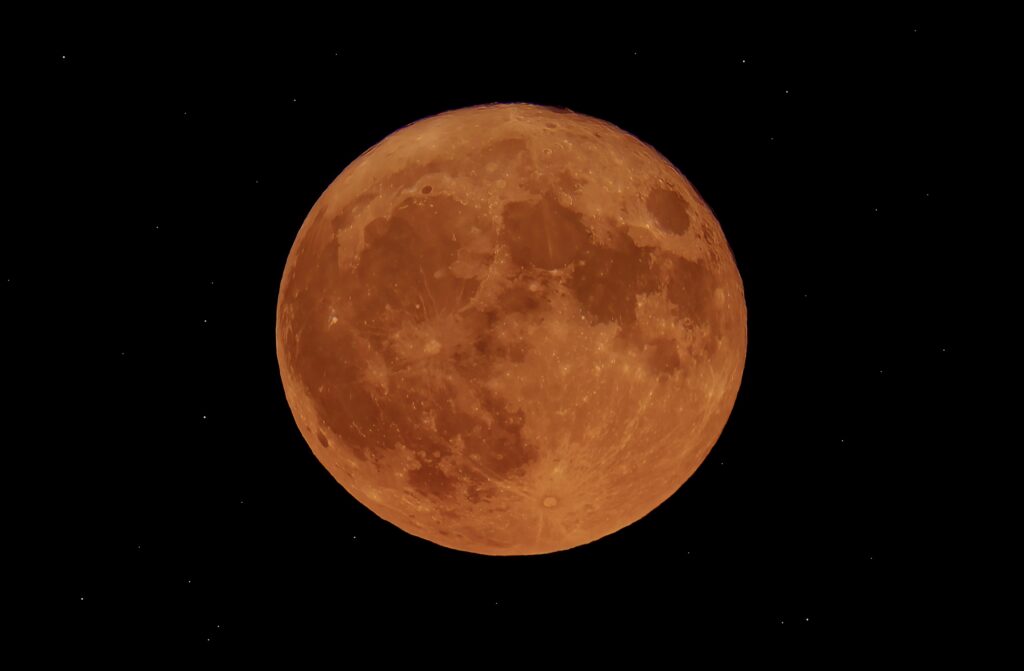
Easier to photograph and incredibly romantic, the Supermoon will look approximately 8% bigger and 15% brighter than other full moons – so you won’t want to miss it!
Local moon rising and setting times can be calculated via this calculator via the Old Farmer’s Almanac.
Here are all the full Supermoons to look forward to in 2024:
- August 19th, peak at 2:26 ET
- September 17th, peak at 10:34 pm ET
- October 17th, peak at 7:26 am ET
- November 15th, peak at 4:29 pm ET
So there you have it, astronomy lovers. Don’t forget to snap a picture!
