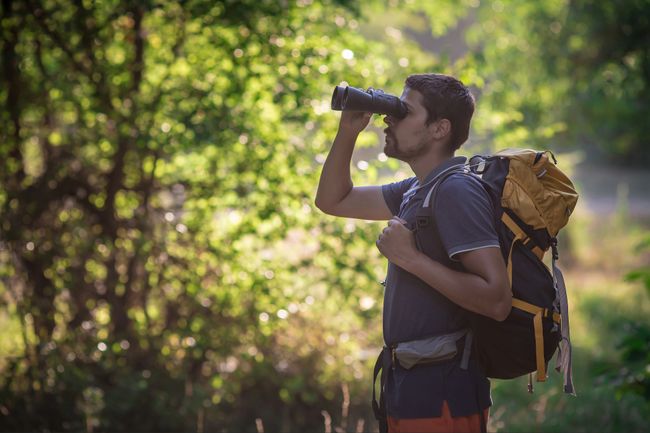
Everything Canadians need to know about staying cyber-safe while travelling this summer


You don’t ever think you’ll fall victim to a scam… until it happens to you. Unfortunately, scammers are getting crafty these days, and they often target people who are travelling and going on vacation.
The good news is that you can take control. Staying informed and practicing good cyber hygiene while travelling helps put you at far lower risk, and RBC has plenty of cybersecurity resources to get you started so that you can travel with confidence.
Understanding cyber scams
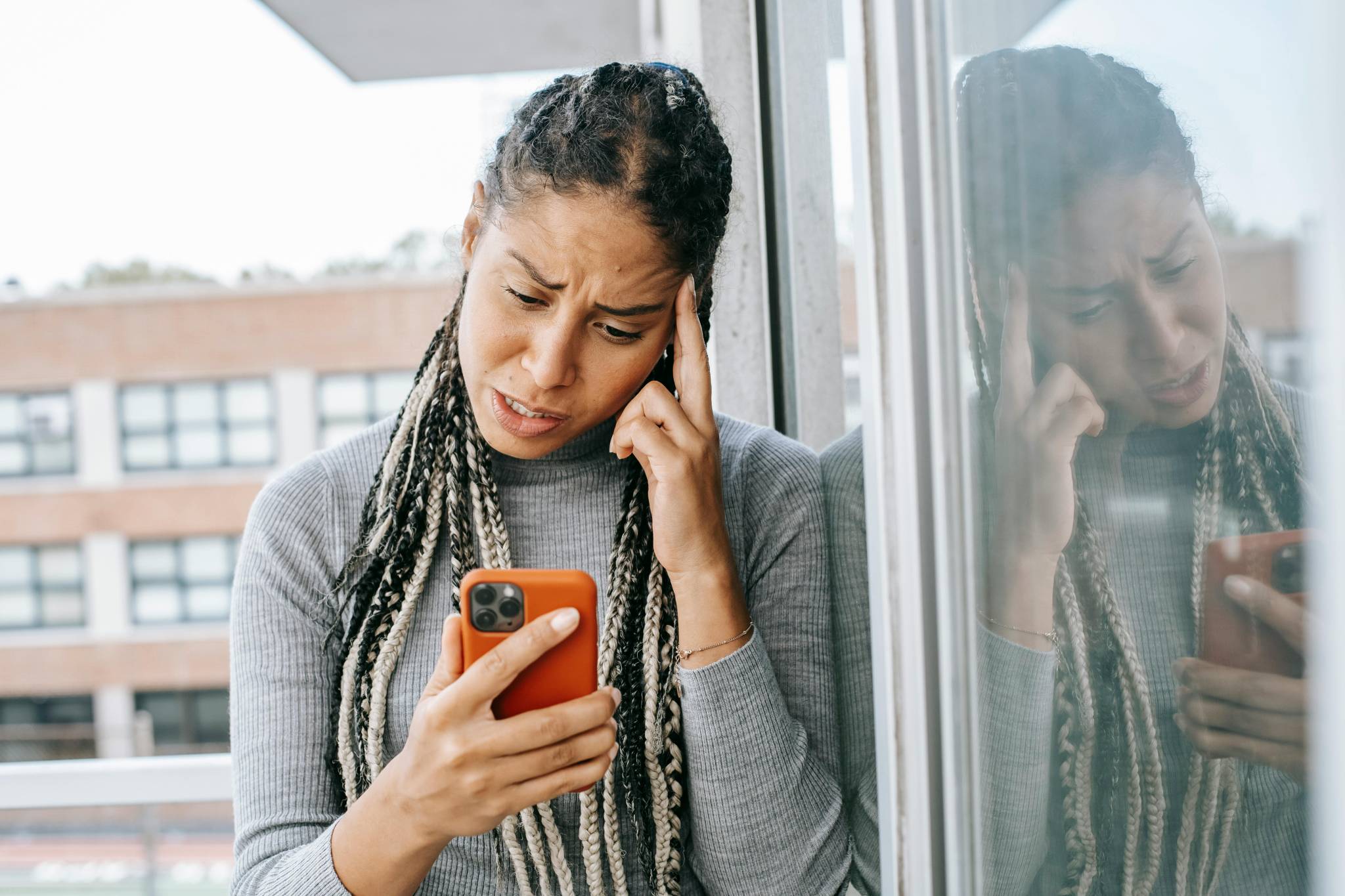
First things first: What do travel-related cyber scams even look like? Travel scams can happen before, during, and after a trip, and can include things like fake booking sites, robocall vacation offers, passport or insurance scams, unsafe public WiFi, social media oversharing, unsecured devices, and loyalty point exposure.
“What has changed is the level of sophistication of these scams,” says Adam Evans, senior vice president and chief information security officer at RBC. “A fake travel site today may use real hotel photos, professional branding, and ads that make it look legitimate. Travellers are often trying to secure a deal quickly, and scammers try to exploit that sense of urgency.
You take great care in planning your summer itinerary – now just make sure you add cybersecurity preparations to your list. Fortunately, there are simple steps you can take to help reduce your risk so you can travel with peace of mind.
Steps to protect yourself

Start with the age-old advice: If it sounds too good to be true, it probably is. While there are great bargains out there, be wary of suspiciously good travel deals when booking your trip. Only use reputable companies, and book with your credit card.
If you pay via e-transfer or wire transfer, that money is gone the moment it leaves your account, but most credit cards come with some level of fraud protection. Robocalls offering free or heavily discounted vacations are almost always scams.
When it comes to your passport, insurance, or travel Visa, protect yourself by going directly to official sources. Third-party agencies claiming to expedite passport applications or offer discounted processing fees are often fraudulent, pocketing your payment and capturing your personal information for identity theft. Renew your passport directly through the government, and purchase travel insurance only from established, reputable providers.
While travelling, it’s best to keep a passcode on your device, and be cautious about connecting to Bluetooth (some systems retain your data). When using public WiFi, avoid making sensitive transactions while connected, turn on two-factor authentication, and clear your browsing history before logging on. Bonus points if you use a virtual VPN to hide your information. And finally, don’t post your location on social media – this signals to others that you aren’t home and allows fraudsters to see where you are at any given time.
“People should look forward to travel and not have to worry about extra stress,” Evans says. “Cyber safety mostly comes down to preparation and knowing what to watch for before you book, while you’re away and even when you get home. A few simple steps ahead of time can help Canadians reduce their risk of falling victim to cyber scams and feel more confident throughout their trip.”
Become more cyber-aware with RBC
Nobody wants or deserves to be the victim of fraud, and RBC can help prevent that with tips and tricks for every aspect of your life. Visit RBC’s Be Cyber Aware website to learn more about how to help protect yourself.
Kendall Bistretzan
Branded Content Writer
Kendall Bistretzan is a Calgary-based writer, reporter, and coffee enthusiast. In her spare time, she loves to read, have dinner with friends, and sing in her car. She is currently querying her debut fiction novel. You can find her on Instagram @kendallbistwrites.
Read articles